Every week Nightline turns the talk over to fitness with the folks over at
Innerfight.com and Marcus joins us to answer questions and talk about all things to do with exercise and more.
As usual Marcus and James get well off topic and always seems to make it all connect, a pretty cool conversation happens.
Entertaining and informative that is what this show is all about.
Click for the podcast.
The Notes
-did a run yesterday and it was great but a little stiffness in the achilles after hoping it is getting back to normal!
-What are some of the best excuses you hear from people as to why they can’t make the changes needed to reach their goals?
This is one of the best articles I have read in a while about why we sometimes just don’t seem to lose the body fat!
Some carbs are good
Leafy greens (cooked and raw). 1-3 servings per day.
Pre-biotic carbs like green-tipped bananas or plantains, cooked and cooled potatoes, winter squash and sweet potatoes, Jerusalem artichokes, onions, garlic, or asparagus. 1-2 servings per day.
Fiber-rich veggies like broccoli, zucchini, yellow squash, asparagus, cauliflower, Brussels sprouts, celery, cucumbers, etc.
Starchy tubers like potatoes, sweet potatoes, squashes, carrots, beets, yucca, jicama. Limit to 1-2 minimal or moderate servings per day.
When we consume lots of colorful veggies, body-boosting healthy fats, and essential proteins, our metabolism comes alive, extracting various vitamins, minerals, and antioxidants to keep your body revving. My top picks include:
Dark leafy greens
Colorful veggies (aim for 2-3 different veggie colors at each meal)
Berries
Citrus (lemon, orange, lime, grapefruit)
Organic herbs (parsley, cilantro, rosemary, thyme, sage)
Organ meats
Fermented foods like sauerkraut
Pastured eggs and poultry, grass-fed beef, wild-caught fatty fish
Coconut oil, cold-pressed extra virgin olive oil, ghee, and grass-fed butter
Avocado
Raw brazil nuts, walnuts, and macadamia nuts
The last thing your body wants to do when it thinks it’s fighting for survival is comply with your fat loss protocol.
Some simple (but effective) game changers for balancing cortisol include:
Shut off screens in the evening hours, or power down to “night mode” if your device supports it, or use an app like f.lux.
Get outside for at least 30-60 minutes each day.
Move your body with a “Goldilocks” approach. Too much exercise will keep cortisol levels high just as surely as too little. Destress naturally with regular exercise, without over-exerting or pushing your body beyond limit.
Get off the treadmill. Build a foundation of lean muscle with strength training, and less focus on all cardio, all the time. For balance, 1-3 times per week, sprinkle in a little bit of HIIT, like sprints or CrossFit-style workouts, and endurance training like cycling, swimming or running.
Support all of this with a daily movement lifestyle (walking, playing with your kids, standing at work, etc.), and plenty of simple movement.
Say “no” to things draining your schedule, energy, or time.
Get your beauty sleep. When it comes to fat loss, insufficient sleep works against your body. One study showed that those who slept 8.5 hours per night lost 50% more body fat than a group that got only 5.5 hours.
The Reasons You Aren't Losing Body Fat
Coach
Nutrition, CrossFit, Occupational Therapy
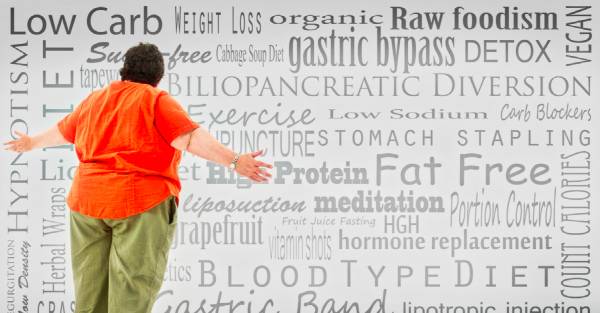
Body fat is enemy number one for every gimmicky beach body program, Plexus or Shakeology advertisement, and personal trainer. As America’s obesity and diabetes epidemics continue to set unfortunate records, it’s no wonder the health and fitness industry is aimed at selling us the secrets to “lean out,” “tone up,” and “get shredded.” And who doesn’t love seeing before-and-after pictures of formerly frumpy, unhealthy bodies transformed almost overnight into washboard abs, thigh gaps, and cut shoulders?
In our efforts to lose body fat, we Google solutions until the wee hours, swear off carbs, and run at level 10 on the treadmill, hoping that our hard work and diligence will pay off. But despite the rules, our workouts, super clean eating, and the supposedly secret sauce sold by clever health marketers, it’s not working.
The answer isn’t in some new diet dogma or product line. Losing body fat can and should be a natural process that involves a lot more than eliminating carbs, fasting, or counting macros. Here are a handful of truths about losing body fat naturally that could make the difference between success and failure for you.
Eat More Fat
The myth that eating fat makes you fat is, thankfully and finally, dying off. While it’s true that fat is the most energy-dense substance we consume (at nine calories per gram), it is also necessary for a huge range of biological processes, from hormone production to cell membrane function.
Diets that exclude or severely limit fat tend to replace all those calories with carbohydrates, which sets you up to ride the blood sugar roller coaster. Your body is constantly chasing balance between blood sugar and insulin levels, which can in turn impact your cortisol (stress hormone) production. Cortisol signals your body to store body fat, rather than burn it, and can also lead to increased intake of high-carbohydrate foods.
Dietary fat can help keep energy levels more even, and hunger at bay. Reach for healthy fats with each meal, and in place of carbohydrate-based snacks, reach for a snack with healthy fat or protein as the base. Look for things like raw nuts and seeds, olive oil, coconut oil, coconut butter, avocado, olives, ghee, grass-fed butter, full-fat fermented yogurt, fatty cuts of organic meats, pastured eggs, or avocado oil.
Don’t Fear Carbs
Just because I’m telling you to eat more fat doesn’t mean that carbs are the enemy, either. When we go too low on carbs, particularly from veggies, we risk also eliminating fiber, which is essential to digestion, your gut biome, and metabolic balance. Extreme diets at either end of the fat vs. carbs spectrum can negatively impact your metabolism.
Researchers and dieters everywhere are asking, which is better, low fat or low carb? But there isn’t a single correct answer. Some people do better with more carbs, and some do better with more fat. Every body is different. For example, some women who have issues with their blood sugar or insulin resistance have found ketogenic diets beneficial as a short-term dietary approach. However, women who have their blood sugar under control, but have some adrenal fatigue or hormone imbalances, have found a ketogenic diet more harmful in the long run.
Conspicuously, there has yet to be a study that shows that an overall balanced diet does any harm at all. Therefore, instead of chasing the new extreme trend for body fat loss, aim for the simplest, realest foods, and strive for as much balance as possible. Look for carbohydrate sources the human body thrives upon:
Leafy greens (cooked and raw). 1-3 servings per day.
Pre-biotic carbs like green-tipped bananas or plantains, cooked and cooled potatoes, winter squash and sweet potatoes, Jerusalem artichokes, onions, garlic, or asparagus. 1-2 servings per day.
Fiber-rich veggies like broccoli, zucchini, yellow squash, asparagus, cauliflower, Brussels sprouts, celery, cucumbers, etc.
Starchy tubers like potatoes, sweet potatoes, squashes, carrots, beets, yucca, jicama. Limit to 1-2 minimal or moderate servings per day.
Some people also find that less fruit consumption helps for the short-term, and that grains are not an ideal source of carbohydrates for a variety of reasons that are beyond the scope of this article.
By aiming to include more healthy fats in our diet, alongside moderate protein and moderate carbohydrates from real foods, we turn on our metabolism, and help keep our blood sugar stable.
Your Body Runs on Colors, Not Numbers
Our bodies don’t see food in terms of macros or calories. They see nutrients, and need lots of nutrient-dense foods to thrive. The problem many people run into with macro- or calorie-based plans is that they fixate on numbers, scales and measurements, without acknowledging the nutrient density in foods, and how your metabolism responds to that.
For instance, a half cup of gummy bears may supply your body with a punch of “quick digesting carbs” after a workout, but the nutrient composition and health benefit it provides is completely different than a half cup of berries or a small sweet potato. Your body responds to the real food with increased satiety and a better metabolic result.
Diet staples like chicken, olive oil, and rice do give your body some protein, fat, and carbs, but what about their nutrient density and variety? Put another way, how many colors are in that meal? Generally speaking, less color means fewer nutrients, and less satisfaction from eating them. You might have hit your macro goals, but your body is still craving the rest of the many nutrients it needs to function at its best.
When we consume lots of colorful veggies, body-boosting healthy fats, and essential proteins, our metabolism comes alive, extracting various vitamins, minerals, and antioxidants to keep your body revving. My top picks include:
Dark leafy greens
Colorful veggies (aim for 2-3 different veggie colors at each meal)
Berries
Citrus (lemon, orange, lime, grapefruit)
Organic herbs (parsley, cilantro, rosemary, thyme, sage)
Organ meats
Fermented foods like sauerkraut
Pastured eggs and poultry, grass-fed beef, wild-caught fatty fish
Coconut oil, cold-pressed extra virgin olive oil, ghee, and grass-fed butter
Avocado
Raw brazil nuts, walnuts, and macadamia nuts
Stress Less
Stress is the #1 driver of all disease, including stubborn body fat. Stress is inevitable in our society, but it is often overlooked in areas beyond mental health. Even if you don’t think you’re stressed out, minor daily stressors can threaten metabolic balance.
Biologically, your cortisol level needs to be in a state of balance in order to shed body fat. If your body constantly feels threatened, cortisol levels become chronically high. The last thing your body wants to do when it thinks it’s fighting for survival is comply with your fat loss protocol.
Some simple (but effective) game changers for balancing cortisol include:
Shut off screens in the evening hours, or power down to “night mode” if your device supports it, or use an app like f.lux.
Get outside for at least 30-60 minutes each day.
Move your body with a “Goldilocks” approach. Too much exercise will keep cortisol levels high just as surely as too little. Destress naturally with regular exercise, without over-exerting or pushing your body beyond limit.
Get off the treadmill. Build a foundation of lean muscle with strength training, and less focus on all cardio, all the time. For balance, 1-3 times per week, sprinkle in a little bit of HIIT, like sprints or CrossFit-style workouts, and endurance training like cycling, swimming or running.
Support all of this with a daily movement lifestyle (walking, playing with your kids, standing at work, etc.), and plenty of simple movement.
Say “no” to things draining your schedule, energy, or time.
Get your beauty sleep. When it comes to fat loss, insufficient sleep works against your body. One study showed that those who slept 8.5 hours per night lost 50% more body fat than a group that got only 5.5 hours.
You can’t improve your body when your mind is freaked out. Stress reduction has been shown to help alleviate an otherwise broken metabolism. Incorporating a practice of deep breathing, meditation or prayer, meditative movement (stretching, yoga, dance), and reading or listening to positive truth (podcasts, books, speakers, etc.) are all tactics for mindfully reducing stress.
Pay Attention to Your Meals
Speaking of mindfulness, research tells us that practicing it during meals can help reduce cortisol and abdominal fat. Incorporate these techniques into your own meal times:
Chew your food (fully)
De-screen: turn off the TV, phone, computer and even books
Assess your level of hunger and fullness. You don’t have to always finish your plate, and sometimes, you may need seconds.
Be aware of how food makes you feel. Are you bloated, constipated, breaking out, anxious, have an allergic reaction? Something may be in your food that is not sitting well with you.
Don’t eat the same things every day. Incorporate a variety of nutrients from real foods.
Heal Your Gut
This is cool
More core exercises